
EXPLORE THE PROPHETIC TRADITION
Discover the World of Hadith Studies
Explore the sayings, actions and teachings attributed to Prophet Muhammad (peace be upon him) through structured Hadith learning. Build your understanding of the Sunnah, Hadith terminology, Islamic manners and the importance of studying narrations with context and care.
✓ Beginner-friendly topics
✓ Learn at your own pace
✓ Study with context
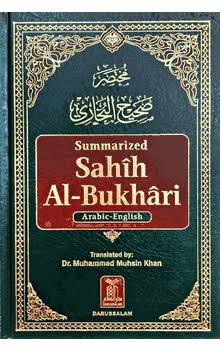
Knowledge with Understanding
Study narrations carefully and explore their context.
UNDERSTANDING HADITH
What Is Hadith and Why Is It Studied?
Hadith refers to reports describing the sayings, actions, approvals and characteristics of Prophet Muhammad (peace be upon him). Hadith literature has an important place in Islamic scholarship and is studied alongside the Quran to understand the Prophet's teachings and example.
Hadith studies introduce learners to how narrations are transmitted, the terminology scholars use, and the distinction between different classifications of reports. Understanding these subjects requires attention to sources, context and scholarly explanation.
At Elite Quran Learning, this page introduces key topics that learners can explore as part of their Islamic studies. Beginners can start with basic concepts and gradually develop their understanding with suitable learning materials and qualified guidance.
hadith vedios
Check Out Our hadith related vedios
EXPLORE THE SUBJECT
Key Topics in Hadith Studies
Explore foundational subjects that help learners understand Hadith literature, its terminology and its place in Islamic learning.
Introduction to Hadith
Understand what Hadith means, what kinds of reports it contains, and how Hadith literature contributes to Islamic scholarship.
The Sunnah
Explore the meaning of the Sunnah and its relationship to the Prophet's example, Islamic practice and religious understanding.
Hadith Authentication
Learn introductory concepts used by Hadith scholars when examining narrators, chains of transmission and the reliability of reports.
Hadith Terminology
Become familiar with terms such as Sahih, Hasan, Da'if, Isnad and Matn, and understand why scholars use these classifications and concepts.
Islamic Manners and Character
Explore narrations about honesty, kindness, patience, respect, responsibility and good conduct, with attention to reliable sources and explanations.
Everyday Islamic Guidance
Study selected narrations relating to worship, family life, social responsibilities and daily conduct with appropriate scholarly context.
STUDY WITH PURPOSE
Build a Better Understanding of Hadith
Hadith study involves more than memorising quotations. Learning about references, terminology and context can help students approach narrations carefully and distinguish established information from unsourced claims.
Ask About Learning Options
✓
Understand basic Hadith terminology
✓
Learn about sources and references
✓
Explore the meaning of the Sunnah
✓
Read narrations in their context
✓
Explore Islamic manners and character
✓
Develop responsible research habits
CONTINUE YOUR LEARNING
Related Islamic Learning Resources
Explore related Quran and Islamic studies resources available through Elite Quran Learning.
Quran Learning Resources
Explore Quran reading materials
Quran Translation
Explore Quran meanings and translation
Islamic Studies
Explore foundational Islamic topics
Tajweed Learning Guide
Learn about Quranic recitation rules
Daily Duas
Explore daily supplications
Learning Videos
Explore video learning resources
COMMON QUESTIONS
Frequently Asked Questions
Find answers to common questions about learning Hadith and understanding the Sunnah.
Hadith refers to reports about the sayings, actions, approvals and characteristics of Prophet Muhammad (peace be upon him). Hadith scholarship examines the transmission, reliability and meaning of these reports.
Hadith are reports that describe aspects of the Prophet's teachings and example. Sunnah generally refers to the Prophet's normative example and practice. Their precise usage can vary by scholarly context.
These are commonly used Hadith classifications. Sahih generally means sound, Hasan means good, and Da'if means weak. Their technical definitions involve scholarly criteria relating to transmission and narrators.
Yes. Beginners can start with an introduction to Hadith, basic terminology and selected narrations explained in accessible language. More technical subjects can be studied gradually as their understanding develops.
A source reference helps readers locate a narration and investigate its wording, transmission and scholarly assessment. Quotations should not be attributed to the Prophet without reliable sourcing.
Contact Elite Quran Learning through its contact page or WhatsApp to ask about available courses, learning levels, schedules and fees.
CONTINUE YOUR ISLAMIC LEARNING
Explore Hadith with Care and Understanding
Start with the foundations of Hadith and the Sunnah, explore reliable learning resources, and continue building your understanding of Islamic scholarship.